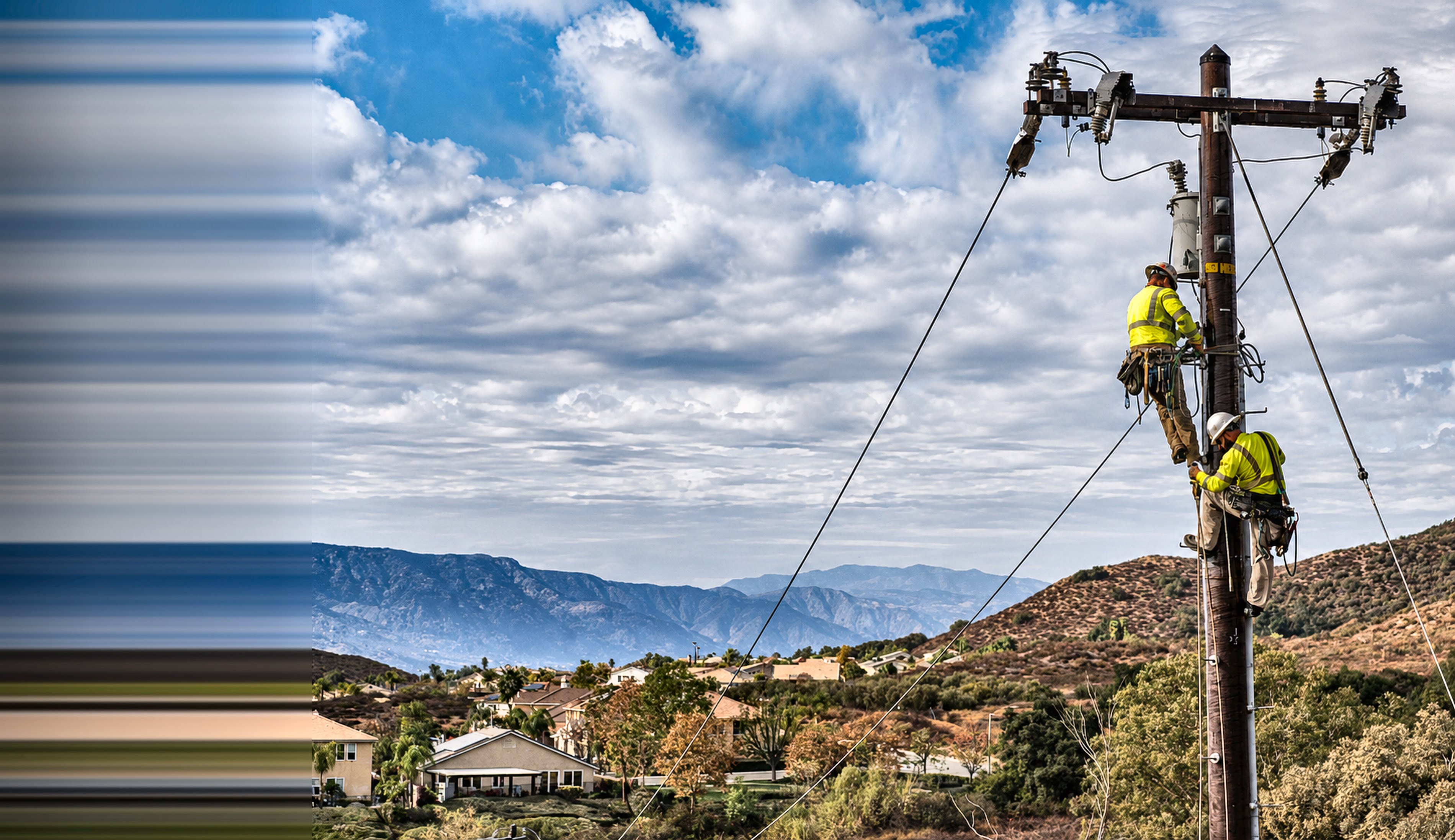
Movement is the Discipline

Fewer injuries. Stronger crews. Longer careers.

Musculoskeletal injuries drive roughly one-third of all lost-time injuries in industrial work. We prevent them by bringing the same sports-science systems that protect elite athletes to the crews who power utilities, energy, and construction. Designed for longevity. Engineered for performance.

Scroll
Trusted across Utilities · Construction · Energy · Manufacturing · Transportation · Infrastructure
Salt River ProjectArizona Public ServicePuget Sound EnergySturgeon ElectricClearway EnergySiemens GamesaVimocityCHEPNIPSCOCrowleyOklahoma Gas & ElectricEvergy
The Shift

From injury management to capability systems.

Most organizations address injuries after they occur. Few build systems that preserve the physical capacity of their workforce over time.

Longeva applies musculoskeletal injury prevention, sports medicine, and human performance principles to industrial environments. The result: organizations maintain workforce capability, reduce breakdown, and extend career longevity.

Why we exist
Impact

Measured across real-world deployments.

322+
Workshops Delivered
15,000+
Participants Trained
90+
Net Promoter ScoreRare in any industry. Exceptional in safety training.
3
Continents Served
The Business Case

What musculoskeletal injuries cost you.

Musculoskeletal injuries are the single largest category of lost-time injury in industrial work. Enter your numbers below to estimate your annual exposure, and what a measurable reduction is worth.

Industry default ~3.0. Adjust to your OSHA 300 log if known.
$
Direct claim cost + indirect (lost productivity, retraining, overtime backfill).
Conservative default. Slide to model different scenarios.
Estimated annual MSK exposure
$675,000

Projected annual savings with prevention
$168,750
Based on a 25% reduction across an estimated 15 injuries/year.

Estimated MSK injuries / year15
Injuries prevented / year3.75
5-year savings potential$843,750

Estimates only, for planning purposes. Defaults draw on published U.S. industry data: the BLS estimates work-related MSDs cost employers roughly $20 billion annually in workers’ compensation, with direct costs of $15,000–$85,000 per case and indirect costs (lost productivity, retraining, overtime) that can double or triple the total; OSHA puts the average back-injury claim at $40,000–$80,000. Your actual figures depend on your industry, claims history, and program design. Replace the defaults with your own numbers for a more accurate estimate.

Three Capability Pillars

Everything we do is designed to improve physical performance at scale.

If it does not improve physical capability, it does not belong in the system.

01

Fewer Injuries

Cut the musculoskeletal risk that drives most recordables, before breakdown starts.

02

Stronger Movement

Improve how crews move, lift, and operate under load, raising consistency and reducing the fatigue that compounds into injury.

03

Longer Careers

Extend the physical capacity, resilience, and working life of your most experienced people.

Industrial operators in a control room during a Longeva training session
The Core Idea
Industrial workers are athletes operating in a different environment.

Linemen · Field Crews · Operators · Technicians

What We Deliver

Three ways we build physically capable workforces.

All services
How Engagement Works

A structured system for improving workforce capability.

01

Assess

Movement risk, workforce demands, and operational constraints.

02

Strategy

A tailored capability plan grounded in sports medicine and industrial realities.

03

Implement

Programs embedded into real workflows, crews, and environments.

04

Sustain

Follow-up insights on adoption, readiness, and injury reduction.

In Motion

See the work.

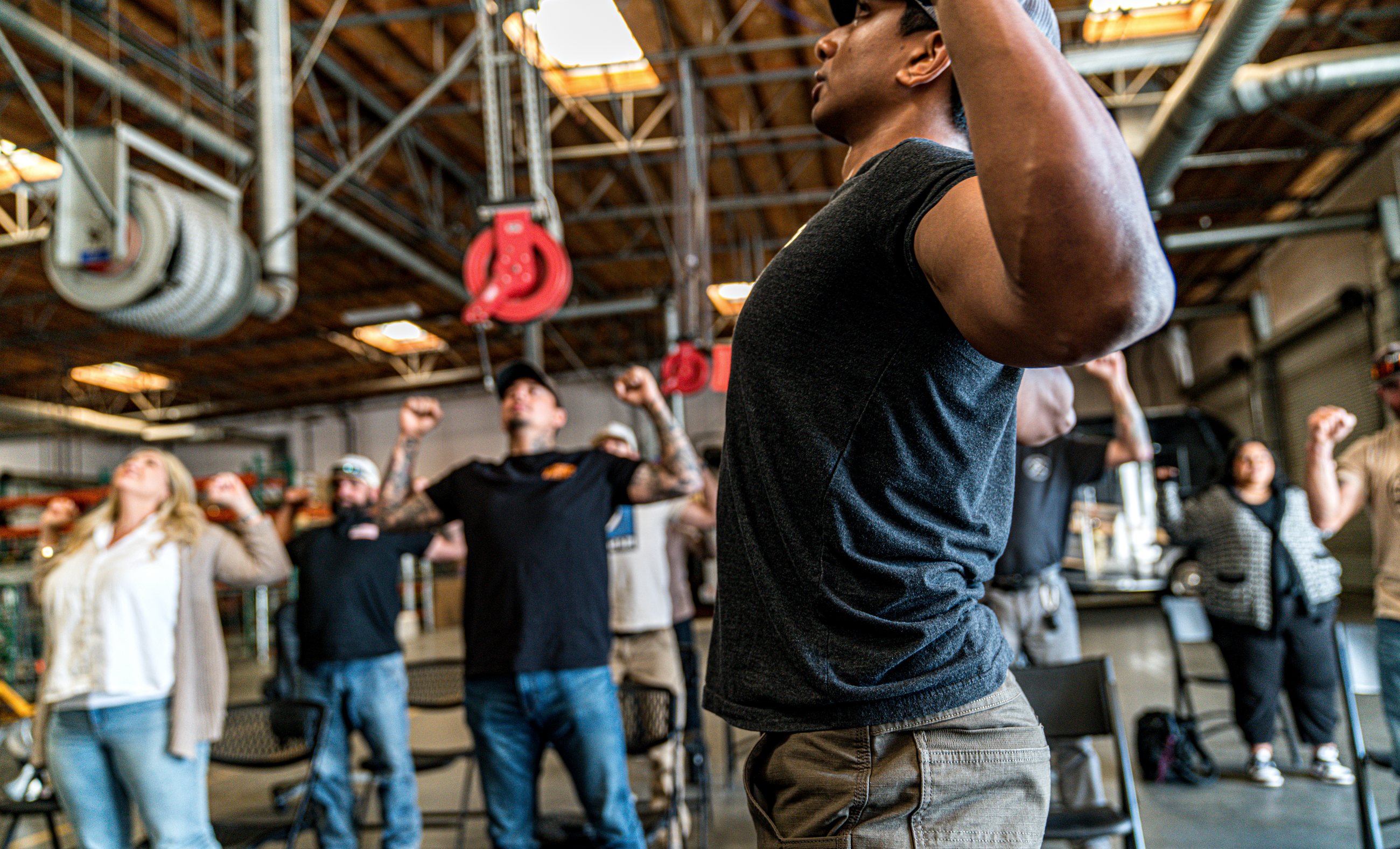
A Longeva workshop · Movement education for the industrial athlete

Proof in Practice

What participants say.

Feedback from the linemen, operators, technicians, and leaders who train with Longeva.

I wish I had this early in my career.
Utility Worker · Montana

Very applicable to my job and personal life.

Lineman · North Dakota

I felt an improvement immediately.

Nuclear Facility Employee · Kansas

Highly knowledgeable and engaging.

Foreman · Arizona
A Lower-Risk Start

Start with one site. Prove it. Then scale.

You don’t have to commit your entire workforce to find out whether this works. Most partnerships begin with a single-site engagement and a clear baseline, so your team sees measurable change before any broader rollout.

01Baseline. We assess movement risk and capture the metrics your leadership already tracks.
02Pilot. A focused engagement at one site or with one crew. No enterprise-wide commitment to begin.
03Measure. We review adoption, readiness, and early indicators against the baseline.
04Scale. Expand only once the results justify it, on your timeline and your numbers.
Before You Ask

Questions safety and operations leaders ask.

01How do you measure results?
We establish a baseline before we begin: movement risk, participation, and the operational metrics you already report (recordables, restricted-duty days, lost time). Progress is reviewed against that baseline, so the impact is yours to verify, not ours to assert.
02How is this different from a standard ergonomics or wellness program?
Wellness programs treat the worker as a patient. We treat them as an athlete. The methods come from elite sport and sports medicine, movement screening, load management, and capacity building, translated for the realities of physically demanding industrial work.
03Can you work within our scheduling and safety constraints?
Yes. Sessions are delivered on-site or virtually, sized to your crews and shift patterns, and built to fit around live operations rather than interrupt them.
04Who actually delivers the work?
Longeva is led by its founder, Nicholas Prasad, a former professional and international footballer turned exercise scientist who has personally delivered 322+ workshops to more than 15,000 industrial workers. You get the specialist, backed by a system designed to scale across sites.
The Standard

Industrial work deserves athlete-level support.

We help organizations build systems that keep people physically capable for the length of a career.